
Gamification Elements in Online Casinos

A player logs into their favorite casino platform and immediately sees a progress bar. Three missions await completion. A leaderboard shows them ranked 47th for the week. Their loyalty tier glows gold on screen, promising better rewards if they keep playing. Within seconds, the interface has communicated status, opportunity, and scarcity. But the player pauses and wonders: is this clever engagement design or something more manipulative?

The tension between player engagement and consumer protection defines modern iGaming. Operators need sustained activity to remain profitable. Regulators demand safeguards against harmful behavior. Players want entertainment that feels rewarding without feeling exploited. When these interests align, gamification becomes a legitimate product enhancement. When they diverge, entire license reviews can follow.
This article examines which gamification patterns work within compliance boundaries and which cross ethical or legal lines. We’ll cover loyalty programs, missions, leaderboards, streaks, and the UX patterns that make them compelling. More importantly, we’ll explore how operators can build engagement systems that satisfy both revenue goals and responsible gambling requirements.
The goal is to understand gamification not as a manipulation toolkit but as a design challenge with real constraints. Done responsibly, these mechanics improve retention without triggering harm. Done carelessly, they invite regulatory penalties and player distrust.
What Gamification Actually Means in a Casino Context
Gamification means applying game-like structures to activities that aren’t inherently games. In online casinos, this translates to adding layers of achievement, progression, and reward on top of traditional gambling products. The slot machine itself relies on random outcomes and house edge mathematics. Gamification sits above that core mechanic, influencing how often and how long someone plays, rather than changing the odds of winning.
This distinction matters for regulation. A slots game is licensed as gambling because money changes hands based on chance. The mission system that rewards you for playing 50 spins doesn’t alter those spins’ randomness, but it does encourage you to reach 50. Regulators scrutinize gamification precisely because it shapes behavior without being subject to the same fairness testing as the gambling products themselves.
Consider a daily login bonus. The player receives free spins simply for opening the app. The spins themselves are regulated—their RTP is tested, their randomness certified. But the psychological nudge to return daily? That’s pure gamification, and it operates in a regulatory gray zone that varies by jurisdiction. Some markets treat these incentives as harmless engagement tools. Others view them as potentially coercive mechanisms that exploit habit formation.
Why Gamification Works (Psychology Without the Jargon)
Human brains respond to progress indicators, status markers, and achievable goals. When a casino platform shows you’re 70% of the way to unlocking a bonus tier, that partial completion creates tension. Most people want to close the loop. When a leaderboard places you just below a prize threshold, competitive instinct suggests you could climb higher with a bit more play. These aren’t accidents—they’re carefully designed triggers.

The same mechanics that make fitness apps sticky or language learning platforms effective also power casino retention. Variable reward schedules keep outcomes unpredictable, maintaining interest. Social comparison through leaderboards taps into status-seeking behavior. Streaks create investment through consistency—breaking a 30-day login streak feels like wasted effort, so players return even when they weren’t planning to.
Here’s the ethical problem: these patterns work equally well on someone gambling casually for entertainment and someone developing a harmful relationship with betting. A mission to “place 20 bets this hour” might sound innocuous to a recreational player with clear limits. For someone chasing losses or lacking self-control, that same mission becomes a rationalization to keep going. Effective gamification and harmful gamification use identical tools—the difference lies in implementation guardrails and operator intent.
The psychological appeal of leveling up or earning badges isn’t inherently exploitative. Video games have used these systems for decades without causing widespread harm. The difference in gambling contexts is the financial stakes and the presence of vulnerable users. What makes a loyalty program “responsible” versus “predatory” often comes down to whether it respects player limits, provides clear opt-outs, and avoids dark patterns that pressure continued wagering.
The Most Common Gamification Elements (And What They Do)
Modern casino platforms deploy a familiar set of engagement mechanics. Loyalty tiers segment players by activity level, offering increasing rewards as you climb from bronze to platinum. Missions set specific goals—play a certain game, wager a certain amount—with prizes for completion. Badges commemorate milestones, from your first deposit to your hundredth slot spin.
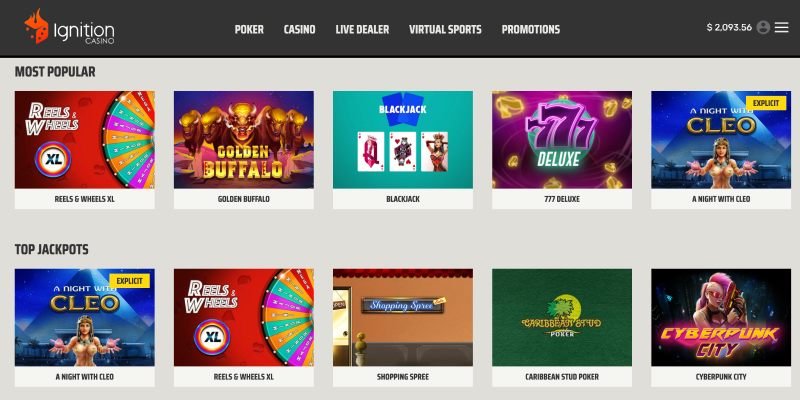
Streaks reward consistency. Log in daily for seven days, earn escalating bonuses. Break the streak, start over. Daily rewards follow similar logic: show up every day, collect something valuable. Leaderboards rank players by wagering, wins, or other metrics, with top performers earning cash prizes or exclusive perks. Collections encourage trying different games or game types, checking off titles as you explore the catalog.
Challenges blend mission and leaderboard concepts—complete specific tasks within a time limit, often competing against other players. Tournaments turn routine play into structured competition with fixed start times and prize pools. Progress bars visualize advancement toward any goal, whether it’s a loyalty tier upgrade or a mission objective.
- Loyalty tiers: Segment users by activity, offer escalating perks, create aspiration to advance
- Missions and quests: Define concrete objectives with rewards, guide player behavior toward specific games or actions
- Achievement badges: Commemorate milestones, provide collectible status markers
- Streak mechanics: Reward consecutive-day logins or play sessions, create fear of losing progress
- Daily rewards: Deliver predictable login bonuses, establish routine engagement
- Leaderboards: Foster competition through rankings, distribute prizes to top performers
- Collections: Encourage product discovery by tracking game variety
- Tournaments and challenges: Time-bound competitions with structured rules and prize pools
- Progress bars: Visualize advancement toward goals, create completion pressure
- VIP programs: Exclusive high-roller perks, personal account managers, invite-only events
- Avatars and profiles: Personalization elements that build identity investment
- Wheel spins and scratch cards: Mini-games that distribute rewards through chance mechanics
Each element serves a function. Loyalty tiers drive lifetime value by giving heavy users reasons to stay. Missions direct attention toward high-margin games or newly released titles. Leaderboards generate excitement and peer comparison. The question isn’t whether these mechanics boost engagement—data consistently shows they do. The question is whether the engagement they create aligns with player welfare or undermines it.
Where Regulators Get Nervous (And Why)
Licensing authorities see gamification through a consumer protection lens. Their concern isn’t that these systems increase play time—entertainment products are supposed to be engaging. The concern is that certain implementations exploit psychological vulnerabilities, create misleading expectations, or pressure continued gambling when someone wants to stop.
Consider missions that require wagering specific amounts within tight timeframes. A recreational player might ignore the mission entirely or treat it as a fun challenge. A problem gambler might see it as permission to chase losses or justification to exceed their budget. Regulators worry about the latter scenario. They ask whether the mission design considered harm reduction or only revenue optimization.
Leaderboards raise similar flags. Competition can be motivating, but when prizes require unsustainable wagering levels, the mechanic edges toward encouraging reckless behavior. Daily streaks create obligation—players return not because they want to gamble but because breaking the streak feels like failure. This blurs the line between entertainment and compulsion.
Transparency issues compound regulatory concern. Many gamified offers bundle free play with real-money wagering requirements in ways that confuse players about true costs. A “free bonus” that demands 40x wagering before withdrawal isn’t particularly free. When these terms hide behind progress bars and achievement notifications, players may not fully understand what they’ve agreed to until they try to cash out.
| Gamification Element | Engagement Upside | Compliance Concern | Safer Design Adjustment |
|---|---|---|---|
| Daily streak bonuses | Drives consistent return visits, builds routine | Creates obligation to play even when unwanted, exploits habit formation | Allow streak pauses, cap maximum streak length, don’t punish breaks |
| Time-limited missions | Creates urgency, boosts short-term activity | Pressures rushed decisions, may trigger loss-chasing in vulnerable users | Use longer timeframes (24-72 hours minimum), avoid high-urgency language |
| Leaderboards with cash prizes | Fosters competition, increases session length | Can encourage unsustainable wagering to reach top ranks | Cap entry requirements, segment by spend level, focus on non-monetary recognition |
| Loyalty tier upgrades | Rewards long-term engagement, increases lifetime value | May incentivize play to maintain status rather than for enjoyment | Slow tier degradation, clear tier benefits, allow voluntary tier downgrades |
| Wagering-based missions | Directs play toward specific games, simple to track | Encourages spending rather than time or game diversity | Mix wagering goals with time-based or game-variety goals |
The underlying tension is that many gamification patterns were borrowed from mobile gaming, where spending is discretionary and stakes are lower. In gambling contexts, the same design that sells virtual swords can encourage financial harm. Regulators are slowly catching up, with some jurisdictions now requiring operators to demonstrate that their engagement systems don’t target vulnerable users or create pressure to exceed safe limits.
“Responsible Gamification” Design Rules That Keep You Out of Trouble
Building engagement systems that satisfy both business goals and regulatory expectations requires intentional design choices. Transparency comes first. Players should understand exactly what any gamified offer requires and what it delivers. A mission shouldn’t bury its wagering requirement in small print. A loyalty tier shouldn’t promise “exclusive bonuses” without explaining what those bonuses entail and what conditions apply.
Control mechanisms matter as much as the mechanics themselves. Users need the ability to opt out of gamified features entirely. Some jurisdictions now mandate this. Even where it’s not legally required, offering opt-outs demonstrates good faith and gives players agency. If someone finds missions distracting or leaderboards stressful, they should be able to disable them without losing access to core products.
Clear limits prevent the worst outcomes. Missions that require specific wagering amounts should respect whatever deposit or loss limits a player has set. A loyalty program shouldn’t send personalized offers to someone on a self-exclusion cooling-off period. These seem like obvious safeguards, but they require cross-system coordination that many platforms lack.
Language choices influence perception. Avoid false urgency—”Last chance!” and “Only 2 hours left!” create panic that leads to poor decisions. Don’t use loss aversion framing—”Don’t miss out on your daily bonus!” pressures play through fear rather than appeal. Instead, position gamified elements as optional enhancements. “Today’s mission is available if you’re interested” gives players choice rather than obligation.
The UK Gambling Commission’s social responsibility guidance emphasizes that operators must monitor customer behavior for signs of harm and intervene when necessary. Gamification systems should integrate with these monitoring tools. If someone’s play patterns suggest developing problems, missions and rewards shouldn’t continue pushing engagement—they should pause or dial back until the situation resolves.
- Full transparency: Display all wagering requirements, time limits, and eligibility rules upfront before opt-in
- Player control: Offer granular opt-outs for specific gamification features without penalty
- Respect deposit limits: Missions and challenges must honor user-set spending caps
- No deceptive urgency: Avoid countdown timers and “last chance” language that creates artificial pressure
- Clear terms: Use plain language to explain how loyalty tiers, bonuses, and missions actually work
- Integration with safer gambling tools: Pause gamified incentives for users showing harm indicators
- Opt-in by default: Require explicit consent before enrolling users in competitive features like leaderboards
- Reasonable pacing: Missions should be completable in normal play sessions without extended marathons
- No hidden wagering traps: Bonuses and rewards must clearly state playthrough requirements before acceptance
- Age verification: Ensure underage users can’t access any gambling-adjacent gamification
- Reality checks: Time-based prompts that interrupt flow during extended sessions
- Visible loss tracking: Show net losses prominently alongside achievement progress
These guardrails don’t eliminate gamification’s effectiveness. They channel it toward sustainable engagement rather than short-term revenue spikes that damage players and attract regulatory scrutiny. Operators sometimes resist these constraints because they marginally reduce conversion rates. But the alternative—facing license reviews, fines, or mandatory design changes—costs far more in the long run.
Loyalty Programs and Missions: How to Make Them Feel Fair
Loyalty programs work when players understand tier requirements and feel rewards match their engagement. A bronze-to-silver advancement that takes three months of normal play feels earned. A gold-to-platinum jump that requires tripling monthly deposits feels like a cash grab. The difference is whether progression pacing aligns with typical user behavior or demands extraordinary effort.
Missions face a similar calibration challenge. A task to “play 10 spins on the new slot game” is trivial for most users and serves as product discovery. A mission to “wager $500 by midnight tonight” is achievable only for high rollers or people willing to exceed their normal budget. The first mission directs attention without creating pressure. The second creates urgency that can trigger poor decisions.
Responsible mission design means setting achievable parameters with generous time windows. Missions should be completable in one to three normal sessions, not require extended play marathons. They should mix objectives—some based on time played, some on game variety, some on specific products—rather than focusing solely on wagering volume. This distributes appeal across different player types and reduces the risk that vulnerable users feel compelled to chase high-dollar goals.
Transparency in mission rewards prevents disappointment. If completing a challenge earns “50 free spins,” specify which games accept those spins, what wagering requirements apply, and when they expire. Don’t wait until after completion to reveal restrictions. Players who feel misled won’t engage with future missions, and they’re more likely to file complaints that draw regulatory attention.
Leaderboards, Streaks, and Social Pressure (High Risk Area)
Social comparison mechanics carry the highest regulatory risk because they introduce peer pressure into gambling environments. A leaderboard that ranks players by monthly wagering essentially turns gambling into a competitive sport, with all the associated pressures to improve your standing. For someone with healthy boundaries, this might be entertaining. For someone susceptible to compulsive behavior, it becomes a rationalization to chase higher ranks.
Streaks exploit consistency bias—the cognitive tendency to value unbroken patterns. A 30-day login streak represents investment. Breaking it feels like failure. This creates a compulsion loop where people log in and play not because they actively want to gamble but because they don’t want to waste their streak progress. That’s the exact mechanism regulators want to prevent: gambling motivated by external pressure rather than genuine entertainment desire.
Some platforms have found middle ground by emphasizing personal goals over competitive rankings. Instead of “You’re ranked 47th this week,” show “You’ve completed 3 of 5 personal missions.” Instead of “Top 10 wagerers win prizes,” offer “Everyone who plays 5 different games this month gets a bonus.” These approaches maintain engagement without triggering social competition that can escalate spending.
Private progress tracking respects individual pace. A player sees their own achievement history but doesn’t compare it to others. This preserves the satisfaction of advancement without the pressure to outperform peers. Non-monetary recognition—badges, profile flair, titles—provides status markers that don’t require unsustainable spending to earn.
When implementing leaderboards, segment by spend level. Don’t mix $10 casual players with $10,000 high rollers in the same ranking. This prevents the illusion that anyone can compete for top spots, which might encourage spending beyond means. Consider capping entry requirements so that after a certain spend threshold, additional wagering doesn’t improve leaderboard position. This creates a ceiling on competitive pressure.
A real example illustrates the stakes: when thepokies 11 redesigned their mission system last year, they shifted from aggressive hourly challenges to weekly goals with flexible completion windows. Customer complaints about pressure tactics dropped significantly, and average session quality improved even as overall engagement remained stable. The change proved that thoughtful gamification design can satisfy business needs without sacrificing player welfare.
Bonus UX Meets Gamification: The Transparency Test
Gamified bonuses combine the psychological appeal of game mechanics with the complexity of promotional terms. This creates confusion risk. A player sees “Complete the mission, unlock a 100% bonus!” and focuses on the reward. They may not fully process that the bonus requires 40x wagering before withdrawal, expires in 48 hours, and only applies to specific games. The gamification wrapper makes the offer feel simple and exciting, but the underlying terms remain complicated.
Responsible design means presenting terms before engagement, not after. Show wagering requirements, game restrictions, and time limits on the mission card itself. Use plain language: “This bonus requires you to wager the bonus amount 40 times before you can withdraw winnings” is clearer than “Subject to 40x WR terms and conditions.” Some players will still miss details, but at least the information was available upfront rather than hidden in linked fine print.
| Gamified Offer | What Players Assume | Hidden Complexity | Plain-English Fix |
|---|---|---|---|
| “Complete 3 missions, unlock 100% bonus” | Finish tasks, get free money to play with | 40x wagering requirement, 48-hour expiry, slots only | “Complete 3 missions to earn a bonus that requires 40x wagering on slots within 48 hours” |
| “Daily streak bonus—log in 7 days for bigger rewards” | Simple escalating free spins each day | Each day’s spins have separate wagering requirements and expiry times | “Each daily bonus has its own 20x wagering requirement and expires in 24 hours” |
| “VIP loyalty cashback—get 10% back on losses” | Direct cash return on all losing bets | Cashback is credited as bonus funds with 5x wagering, only on specific games | “Cashback is credited as bonus funds requiring 5x wagering on selected games” |
| “Tournament prize pool: $10,000” | Winners receive cash prizes | Prizes may be bonus funds, subject to additional playthrough | “Prize pool distributed as bonus funds with standard wagering requirements” |
The transparency test is simple: can a reasonably attentive player understand the offer’s true cost and benefit before opting in? If the answer is no—if key details only emerge after acceptance or during attempted withdrawal—the design needs revision. Regulators increasingly apply this test when evaluating whether marketing practices are fair and not misleading.
Measuring Engagement Without Rewarding Harmful Behavior
Traditional casino metrics focus on wagering volume, session duration, and deposit frequency. These numbers drive revenue, so naturally operators optimize for them. But optimizing purely for these metrics risks encouraging exactly the behavior regulators want to prevent: extended sessions, frequent deposits, escalating bets.
Responsible measurement requires balancing growth metrics with sustainability indicators. Customer satisfaction scores matter. If gamification increases play time but satisfaction drops, something’s wrong—players may be engaging out of obligation rather than enjoyment. Support contact rates signal friction. An uptick in complaints about unclear bonus terms or confusing missions suggests the gamification layer is creating problems rather than solving them.
Self-exclusion signals are particularly important. If players who engage heavily with gamified features subsequently self-exclude at higher rates than those who don’t, the system may be contributing to problem gambling development. Monitoring this correlation helps operators identify which mechanics need adjustment before regulators mandate changes.
Time-to-first-complaint tracks how long new users go before contacting support with issues. If gamified offers consistently generate early complaints, they’re too complex or misleading. Opt-out rates reveal whether players find features valuable or annoying. High opt-out rates suggest mechanics aren’t delivering the intended engagement benefit.
- Net Promoter Score (NPS): Would players recommend the platform? Tracks overall satisfaction beyond pure engagement
- Mission completion rates: What percentage of started missions get finished? Low rates suggest poor design
- Bonus abandonment rate: How often do players forfeit bonuses rather than complete wagering? Indicates terms complexity
- Average session quality: Satisfaction rating per session, not just duration
- Support ticket themes: What gamification elements generate the most confusion or complaints?
- Self-exclusion correlation: Do heavy gamification users self-exclude more frequently?
- Limit-setting adoption: Are gamified users more or less likely to set deposit/loss limits?
- Streak break recovery: After breaking a streak, how many users return versus churn?
- Feature opt-out rates: What percentage of users disable specific gamification elements?
- Wagering velocity changes: Does gamification cause sudden increases in bet frequency?
These metrics shift focus from pure growth to sustainable engagement. A platform where users play regularly, report high satisfaction, rarely complain, and seldom self-exclude is healthier than one with maxed-out session times but rising problem gambling indicators. Regulators increasingly expect operators to demonstrate they’re monitoring for harm, not just revenue. Gamification systems should integrate with these measurement frameworks rather than operate independently.
A Practical Playbook (30–60 Days) for Operators and Product Teams
Implementing responsible gamification doesn’t require scrapping existing systems. Most platforms can audit and adjust within one to two months. Start with a feature inventory. List every gamified element currently live: loyalty tiers, missions, leaderboards, streaks, daily bonuses. For each element, document its mechanics, terms, and player-facing presentation.
Conduct a transparency audit. Review each feature’s UI and UX. Are wagering requirements visible before opt-in? Are time limits clear? Do players understand what they’re agreeing to, or do critical details hide in linked terms? Identify gaps where information should be more prominent.
Test with user groups. Recruit a mix of experienced and new players. Walk them through current gamified offers and ask them to explain what each requires. If consistent misunderstandings emerge, the presentation needs clarification. This feedback directly informs rewrite priorities.
Rewrite terms and presentations using plain language. Replace jargon with clear explanations. Eliminate false urgency and pressure tactics. Add opt-out mechanisms where they’re missing. Ensure all gamified features integrate with existing safer gambling controls—missions should respect deposit limits, bonuses shouldn’t send to cooling-off users.
Implement measurement tracking. If you’re not already monitoring satisfaction scores, support themes, and self-exclusion correlations, start now. These metrics provide early warning of problems before they escalate to regulatory attention. Set review cadences—quarterly at minimum—to assess whether gamification changes are achieving goals without creating harm.
| Action | Effort Level | Risk Reduction | Expected Outcome |
|---|---|---|---|
| Inventory all gamification features | Low (1-2 days) | Foundation for all other improvements | Complete documentation of current system |
| Transparency audit of bonus terms | Medium (1 week) | High—prevents misleading marketing claims | Identified gaps in term disclosure |
| User testing with new players | Medium (1-2 weeks) | Medium—reveals actual comprehension levels | Concrete feedback on confusing elements |
| Rewrite mission and bonus language | Medium (2-3 weeks) | High—improves clarity and reduces complaints | Plain-language descriptions across platform |
| Add granular opt-out controls | High (3-4 weeks dev time) | High—demonstrates respect for player agency | Users can disable specific features individually |
| Integrate with safer gambling tools | High (3-4 weeks dev time) | Very high—ensures compliance with limits | Missions respect deposit caps, pause for at-risk users |
| Implement satisfaction tracking | Medium (1-2 weeks) | Medium—provides ongoing monitoring capability | Regular feedback on feature performance |
| Quarterly gamification review | Low (ongoing, 1 day per quarter) | Medium—catches emerging issues early | Continuous improvement cycle established |
This playbook prioritizes high-impact changes that prevent regulatory problems. Some improvements require development resources, but many are content and presentation fixes achievable in days or weeks. The goal is demonstrable commitment to responsible design—something regulators notice during license reviews and something players appreciate when they feel respected rather than manipulated.
Conclusion
Gamification in online casinos isn’t going away. The engagement benefits are too significant, and when done responsibly, these mechanics genuinely improve player experience. The challenge is threading the needle between compelling design and consumer protection. Operators who succeed build systems that respect player autonomy, provide transparent terms, and integrate with safer gambling safeguards.
The regulatory landscape is tightening. What was acceptable three years ago may not pass muster today. Markets like the UK are demanding that operators prove their engagement systems don’t target vulnerable users. Operators who get ahead of these requirements position themselves better than those who wait for mandatory changes. Proactive adjustment costs less than reactive compliance.
Trust is the real competitive advantage—platforms that players believe have their interests at heart retain users longer and face fewer regulatory headaches than those perceived as manipulative.